Understanding Central Heating Hidden Leaks
Central heating hidden leaks can pose a significant challenge for homeowners, often leading to extensive damage if not detected promptly. These leaks, which typically occur within the system's infrastructure, may remain undetected for long periods, allowing water to escape into walls, floors, and ceilings. When exploring options, central heating hidden leak detection is critical for maintaining the integrity of your heating system and ensuring the safety of your home.
What Causes Central Heating Hidden Leaks?
Hidden leaks in central heating systems can be attributed to various factors. Common causes include:
- Wear and Tear: Over time, the materials in heating pipes, such as copper and plastic, may degrade and develop cracks.
- Corrosion: Corrosive elements in the water or from the environment can weaken pipes and fittings.
- Poor Installation: Incorrectly fitted components or poor quality materials can lead to leaks.
- Temperature Fluctuations: Extreme heat or cold can cause expansion and contraction in pipes, resulting in stress fractures.
- Joint Failures: Connections between pipes can loosen over time, causing leakage.
Signs of a Central Heating Hidden Leak
Identifying a potential leak in your central heating system can be difficult. However, certain signs may indicate that a hidden leak is present:
- Unexplained Moisture: Wet spots on walls or floors near heating pipes.
- Decreased Pressure: Regularly needing to top up the boiler pressure can indicate a leak.
- Increased Energy Bills: A significant rise in heating costs without a change in usage patterns may suggest a hidden leak.
- Noise: Sounds of dripping or hissing when the heating system is in operation.
- Cold Spots: Areas of the house that remain cold despite the heating system being on may signal a leak obstructing heat distribution.
Potential Consequences of Ignoring Hidden Leaks
Failing to address hidden leaks can lead to numerous issues, including:
- Structural Damage: Water escaping from pipes may weaken foundations, walls, and flooring.
- Mold Growth: Persistent moisture creates an environment conducive to mold, which can affect indoor air quality and pose health risks.
- Increased Repair Costs: The longer a leak goes undetected, the more extensive the damage can become, leading to higher repair bills.
- Heating System Failure: Ongoing leaks may lead to complete system breakdowns, requiring expensive replacements.
How to Identify a Central Heating Hidden Leak
Knowing how to identify a central heating hidden leak can help mitigate damage and costs. Here are some methods used by professionals and homeowners alike:
Methods Used by Professionals for Leak Detection
Professional leak detection specialists employ a variety of advanced techniques to accurately locate leaks:
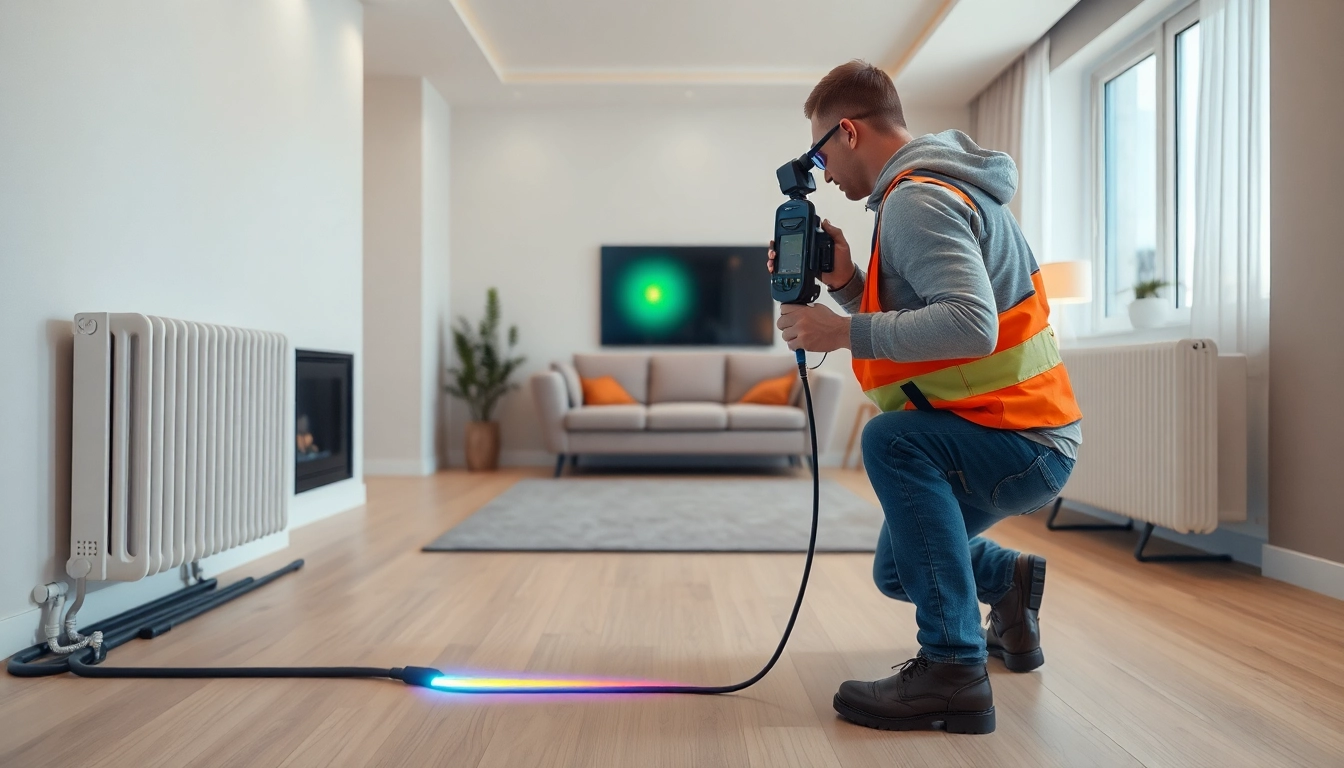
- Thermal Imaging: This technology detects temperature variations in walls and floors, indicating areas where heat loss may occur due to a leak.
- Acoustic Devices: These devices amplify the sound of water escaping from pipes, allowing technicians to pinpoint leaks even behind walls.
- Moisture Meters: These tools measure moisture levels in surfaces, helping to identify water damage.
DIY Techniques for Homeowners to Check for Leaks
Homeowners can perform preliminary checks to assess their heating systems for leaks:
- Visual Inspections: Look for signs of water damage, such as stains on walls or ceilings and damp spots on floors.
- Monitor Pressure Gauge: Keep an eye on the boiler pressure gauge. A steady drop may suggest a leak.
- Check Radiators: Ensure all radiators are heating evenly. Cold spots may indicate a leak in the system.
When to Call a Leak Detection Specialist
If you suspect a hidden leak but cannot locate it, or if you observe any signs mentioned earlier, it is advisable to call a leak detection specialist. Their expertise and advanced technologies can swiftly identify and address the issue, preventing further damage.
Advanced Technologies in Leak Detection
With advancements in technology, leak detection has become more efficient and less invasive. Here are some of the most effective methods:
Using Thermal Imaging for Accurate Leak Locating
Thermal imaging cameras capture infrared radiation emitted from objects, allowing technicians to visualize temperature differentials in building structures. Areas with leaks often exhibit lower temperatures due to water absorption, guiding inspectors to the leak’s location without any disruption to the premises.
The Role of Acoustic Devices in Leak Detection
Acoustic listening devices pick up the sound of water escaping from pipes, even if they are buried underground or behind walls. This method is particularly useful for identifying leaks in hard-to-reach areas, ensuring accurate detection without invasive probing.
Pressure Testing: Confirming Leak Locations Effectively
Pressure testing involves isolating sections of the heating system and monitoring pressure changes. If pressure drops unexpectedly, it confirms that there is a leak within that section, allowing for targeted repairs.
Repair Options for Central Heating Hidden Leaks
Once a leak is detected, determining the right repair strategy is essential to restore the system's function without causing further issues.
Temporary Fixes vs. Permanent Solutions
Temporary fixes, such as applying sealants or using leak-sealing agents, may offer short-term relief. However, these solutions may not be sufficient for long-term performance and could lead to recurring problems.
Permanent solutions often involve replacing damaged pipes or fittings, which, while initially more costly, can save money and stress in the long run. It’s crucial to weigh these options based on the severity and location of the leak, as well as the overall health of the heating system.
The Importance of Professional Repairs
Professional repairs are often necessary to guarantee that leaks are not just patched but resolved correctly. Certified technicians have the training and experience to address issues thoroughly, ensuring that your heating system operates efficiently and safely.
Costs Associated with Leak Repairs and Prevention
The cost of leak repairs can vary significantly based on several factors, including:
- Location: Leaks in visible areas may be cheaper to repair than those hidden behind walls or floors.
- Severity: The extent of the leak's damage will impact repair costs.
- Type of Repairs Needed: Simple fixes may be less expensive than replacements of entire sections of piping.
Additionally, investing in regular maintenance can help prevent leaks, saving homeowners money over time.
Preventing Future Central Heating Hidden Leaks
Taking proactive steps to maintain your central heating system can help avoid costly leaks in the future. Here are some recommendations:
Regular Maintenance Tips for Homeowners
Homeowners should consider implementing a routine maintenance schedule, which includes checking pressure levels, bleeding radiators, and inspecting joints for signs of wear.
How Inspections Can Save You Money
Regular professional inspections can catch potential issues before they become serious problems. A small investment in maintenance can yield significant savings by preventing costly repairs down the line.
Future Trends in Leak Prevention Technologies
As technology continues to evolve, new leak prevention systems may emerge, including smart sensors that alert homeowners to changes in pressure or temperature instantly. Integrating these technologies can enhance the resilience and efficiency of central heating systems, providing peace of mind and saving costs over time.