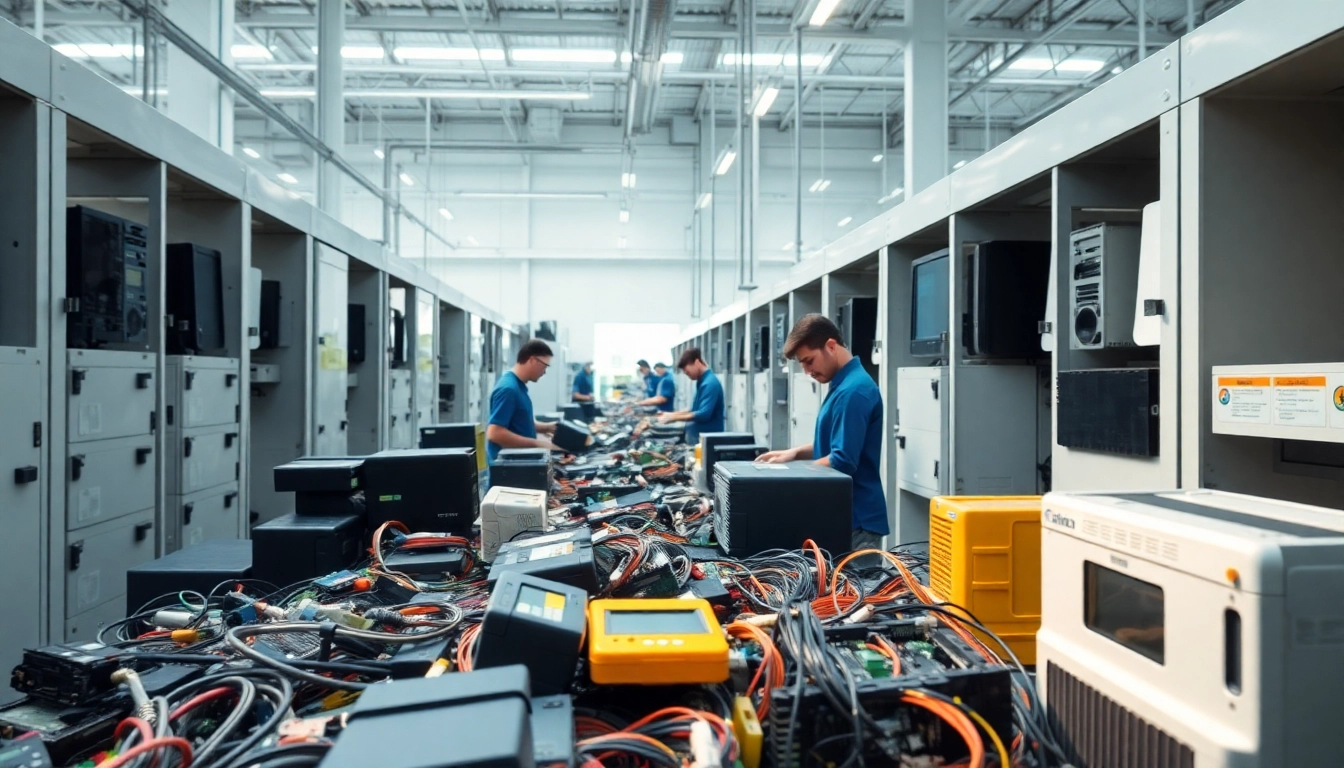
Understanding Local Computer Recycling
What is Local Computer Recycling?
Local computer recycling involves the process of collecting and processing used or obsolete computer equipment to recover valuable materials, minimize electronic waste (e-waste), and reduce environmental harm. This practice not only helps to safely dispose of old computers but also promotes sustainability by reintroducing materials back into the production cycle. Local computer recycling is essential in today’s rapidly advancing technological landscape, where obsolete devices accumulate quickly, leading to significant environmental concerns.
Benefits of Recycling Computers Locally
Choosing local computer recycling brings multiple advantages to both individuals and communities. Firstly, it helps in conserving resources by recovering metals such as copper and gold used in electronics. Secondly, local recycling reduces transportation emissions, as materials do not need to be transported long distances. Community engagement is also beneficial, fostering awareness about responsible e-waste management and providing job opportunities in the recycling sector.
Key Terminologies in Computer Recycling
Understanding essential terminologies can enhance awareness and participation in local computer recycling initiatives. Key terms include:
- E-Waste: Refers to discarded electronic devices and components.
- Recycling: The collection and processing of materials to create new products.
- Data Destruction: The process of permanently deleting data to prevent unauthorized access.
- Upcycling: Transforming waste materials into new products of better quality.
How to Find Local Computer Recycling Options
Researching Local Facilities
The first step in finding local computer recycling options is to conduct thorough research on facilities available within your community. Look for local e-waste recycling centers that are certified and adhere to environmental regulations. Community centers, municipalities, and educational institutions often host recycling drives to collect e-waste, making it essential to stay informed about upcoming events through local bulletin boards or online platforms.
Online Resources for Local Computer Recycling
Utilizing online tools can simplify the search process for local computer recycling. Websites and applications that track waste management services provide useful information on recycling locations, accepted items, and operational hours. Various environmental organizations maintain databases where communities can locate certified recycling programs, ensuring that e-waste is handled responsibly and sustainably.
Community Initiatives and Events
Participating in community initiatives and e-waste recycling events is an impactful way to contribute. Often organized by local government or environmental groups, these events raise awareness while facilitating safe disposal of electronic waste. Engage with your community to collaborate on recycling campaigns, which can foster greater participation and understanding of the long-term benefits of responsible e-waste handling.
Best Practices for Preparing Your Computer for Recycling
Data Security Before Recycling
Before recycling your computer, prioritizing data security is crucial. To prevent unauthorized access to sensitive information, users should perform thorough data wiping using software designed for secure deletion. Additionally, removing the hard drive and storing it separately, or physically destroying it, provides an extra layer of security, ensuring that personal data is irretrievable.
Disassembling Computers Safely
If you decide to disassemble your computer before recycling, it's essential to do so safely and responsibly. Use the right tools and wear protective gear to prevent injuries. Identify hazardous components such as batteries and capacitors that require special disposal methods. Keeping parts organized not only aids effective recycling but can also facilitate the upcycling of usable components.
Proper Disposal of Hazardous Materials
Hazardous materials in computers, such as mercury or lead, necessitate careful handling. It’s vital to inform your local recycling facility in advance if you encounter such components, as they may have specific protocols for disposal. Proper management prevents toxic materials from entering landfills, preserving both human health and the environment.
Impact of Local Computer Recycling on the Environment
Reducing E-Waste and Pollution
Local computer recycling plays a significant role in mitigating environmental pollution caused by e-waste. By recycling, fewer devices end up in landfills, where they can leach harmful chemicals into the soil and water supply. Furthermore, recycling enables the recovery of valuable resources, thus reducing the need for mining and associated carbon emissions. Each device recycled is a step toward reducing the environmental footprint of technology.
Contributing to Sustainability Efforts
Embracing local computer recycling contributes to broader sustainability efforts. By minimizing e-waste, communities can support environmental goals and promote responsible consumption practices. Local recycling initiatives empower citizens to take action in addressing climate change challenges. They create a culture of sustainability by emphasizing the importance of reducing, reusing, and recycling electronic devices.
Community Benefits from Recycling Initiatives
Beyond environmental benefits, local computer recycling initiatives forge stronger community bonds. These programs generate awareness and education about e-waste impacts, fostering a collective sense of responsibility. Additionally, local recycling creates job opportunities in environmentally sustainable sectors, helping to boost the local economy while championing eco-friendly practices.
Frequently Asked Questions About Local Computer Recycling
What types of electronics can be recycled locally?
Most local computer recycling centers accept a variety of electronics, including desktops, laptops, peripherals, monitors, and printers. Always check with your local facility for specific guidelines.
Is there a fee for recycling computers?
Some facilities charge a nominal fee for recycling, while others offer free services. It varies by location, so confirm with your local recycling center for their policies.
How is data handled during local computer recycling?
Recycling centers typically offer data destruction services to ensure your information is securely wiped or destroyed. Always inquire about their protocols to ensure your data's safety.
Can businesses participate in local computer recycling?
Yes, businesses can participate in local recycling programs. Many facilities offer dedicated services for corporate e-waste, including pickup options for large quantities of electronics.
What happens to recycled materials?
Recycled materials are processed and sorted at facilities, where they are broken down into raw materials to be reused in manufacturing new electronics, reducing environmental impact and resource depletion.